
Factory New Ammo: Precision, Reliability, and Performance You Can Trust
Most people don’t realize that factory new ammo is sealed with a waterproof lacquer at the primer and case mouth, meaning it can sit in a drawer for decades and still fire on the first trigger pull. Each round is machine-loaded to exact powder charges and bullet seating depths, so you get consistent velocity and point-of-aim from the first shot to the last in the box. That uniformity is the real payoff—reliable, repeatable performance without handloading guesswork. Just grab a box, load your mag, and watch your groups tighten compared to mixed or older ammo.
What Exactly Makes Ammunition “Factory New” and Why It Matters
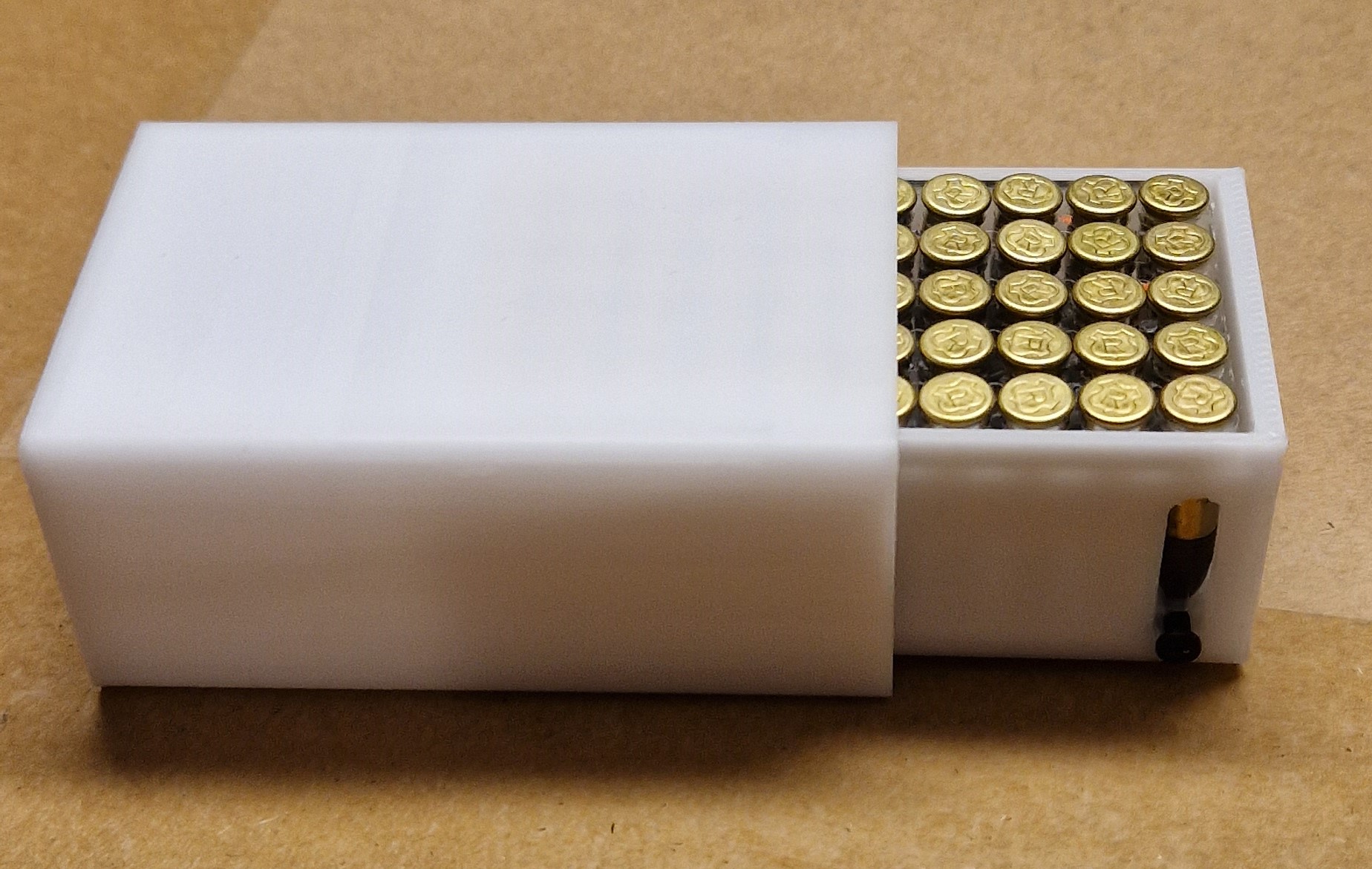
“Factory new” ammunition means it left the production line with pristine, unfired brass, virgin primers, and freshly seated bullets, all within the manufacturer’s specified tolerances for powder charge and cartridge overall length. This matters because any resizing, reheating, or reloading process alters the case’s structural integrity and internal volume, which directly shifts pressure curves and velocity consistency. For a defensive or precision round, factory new ammo guarantees uniform neck tension and no work-hardened case mouths, reducing the risk of bullet setback or premature case separation. You are paying for metallurgical consistency that handloads or remanufactured rounds rarely match, especially with mixed headstamps. Chronograph data from factory new lots is trustworthy for zeroing, as you won’t chase variables from previous firing cycles. However, even factory new ammo can vary slightly between lots, so always verify your point of impact when switching boxes. This predictability is why you trust it 6mm Remington Ammo for Sale for carry or match work.
The Precise Definition: Unfired, Unopened, and Straight From the Production Line
Factory new ammo means cartridges that have never been chambered, never cycled through a firearm, and never had their factory seal broken. The definition hinges on three non-negotiable conditions: the round is unfired and unopened straight specialty sports and supply from the production line, untouched by handling beyond initial packaging. The case head shows no extractor marks, the primer is pristine, and the crimp remains intact, proving the round left the plant in its exact manufactured state. This matters because any deviation—a resized case, a replaced primer, or a bullet that’s been seated twice—alters internal ballistics and pressure curves. You’re buying the manufacturer’s exact spec, not a reloader’s approximation. Check for the factory seal and intact packaging; if either is compromised, it’s simply not factory new.
How Factory Sealing Protects Powder, Primer, and Projectile Integrity

Factory sealing safeguards each component through distinct barriers. The primer pocket’s annular crimp and sealant block moisture ingress, preventing potassium dinitrate decomposition that causes misfires. Case mouth sealing, via lacquer or polymer, locks the projectile against humidity-driven bullet pull and powder contamination, preserving burn-rate consistency. This integrity directly sustains pressure curves and ballistic stability. Additionally, the propellant’s moisture-proof packaging, combined with sealed case walls, inhibits nitrocellulose degradation, ensuring accurate velocities. Without these seals, thermal cycling and ambient vapor compromise primer sensitivity and powder chemistry, yielding erratic ignition. Thus, **factory sealing is the critical defense against environmental degradation**, maintaining the precision difference between new and compromised ammunition.
Key Differences Between Fresh Production and Remanufactured or Surplus Rounds
The core distinction lies in provenance and quality assurance. Fresh production rounds use newly manufactured brass, primers, powder, and bullets, with headstamps matching the current load. Remanufactured rounds are assembled from once-fired or processed cases, often with mixed headstamps, and while they undergo inspection, their internal ballistics can vary due to case resizing and unknown reload history. Surplus ammo is original military production, potentially decades old, meaning propellant degradation and corrosive primers are real risks. Fresh rounds guarantee consistent pressure, seal, and velocity; remanufactured rounds may save money but risk inconsistent case neck tension, while surplus demands careful function-checking in each firearm. Only fresh production offers verified, uniform dimensions and ignition from the first shot.
Key Performance Benefits You Get From Buying Fresh, Sealed Cartridges
Buying factory new ammo in fresh, sealed cartridges guarantees consistent internal ballistics because the propellant charge and primer are untouched by humidity, oils, or thermal cycling that degrade stored reloads. This translates directly into tighter shot groups, as every round fires at the same pressure curve, eliminating fliers caused by powder degradation. Sealed primers and crimped case mouths prevent moisture ingress, so your point of impact remains identical from the first magazine to the last – even after months in a safe. Fresh cartridges also cycle reliably in semi-autos, as clean, uniform case dimensions and lubricated projectiles feed without the sluggish extraction that corroded brass causes. You get immediate, predictable velocity for zeroing optics or hunting, without the need to re-check data for lot-to-lot inconsistencies.
Muzzle velocity deviation stays under 15 fps, which is impossible with unsealed handloads that have absorbed atmospheric moisture, and that stability is what separates a sub-MOA load from a frustrating pattern.
No cleaning effort is wasted on fouling differences, since factory propellant burns uniformly, saving barrel 9×18 Makarov Ammo for Sale wear and preservation time.
Consistent Velocity and Pressure Shot After Shot
Factory-new, sealed cartridges deliver consistent velocity and pressure shot after shot because each round is filled with precisely metered powder and matched primers under strict quality control. This uniformity minimizes extreme spreads in muzzle velocity, which directly translates to tighter vertical stringing on target. Uniform pressure curves also reduce the risk of erratic bolt thrust or primer pocket flow, so your rifle’s action experiences the same force every cycle. With each shot behaving identically, you can trust your ballistic solvers and holdovers without recalibrating mid-session. This repeatability is especially critical for precision shooting, where a 10–15 fps deviation from handloads or aged stock can shift impact points at distance.
Consistent velocity and pressure shot after shot means every round performs identically, ensuring predictable impact points and safe, uniform cycling from the first to last cartridge in the box.
Reliable Ignition and Fewer Misfires in Semi-Autos and Revolvers
Fresh, sealed cartridges deliver reliable ignition and fewer misfires in semi-autos and revolvers because their primers and propellants haven’t degraded from moisture or age. In a semi-auto, a weak strike can fail to cycle the slide, causing a stovepipe 7mm Rem Ultra Mag Ammo for Sale or a dead trigger on the next shot; factory-new ammo’s consistent primer sensitivity eliminates that unpredictability. For revolver shooters, a misfire under double-action pull means a wasted cylinder rotation and potential bullet setback—new rounds prevent that frustrating stall. Sealed casings also keep powder granules uniform, so every chamber burn is crisp and complete, avoiding the faint “pop” that leaves a bullet stuck in the barrel. You get instant, repeatable bang when you need it most.
Cleaner Burning Powder for Less Fouling in Your Barrel and Action
Fresh, sealed cartridges from factory new ammo utilize cleaner burning powder formulations that reduce carbon and copper residue in your barrel and action. This means fewer hard deposits accumulate after each shot, so you maintain consistent bolt travel and reliable cycling during extended range sessions. The low-fouling propellant burns more completely, leaving a fine ash that wipes away easily rather than sticky buildup. For best results, follow this sequence: fire your string of shots, let the barrel cool briefly, then run a dry patch to confirm minimal residue. You’ll spend less time scrubbing and more time shooting, while preserving accuracy as fouling stays manageable between cleanings.
How to Choose the Right Factory Load for Your Specific Firearm
Your rifle’s bolt lugs and barrel harmonics remember every round you feed it, so choosing factory ammo starts with your firearm’s stamped chambering—never assume “close enough” on cartridge names like .308 vs 7.62 NATO. Match bullet weight to your twist rate: a 1:12 twist prefers 150–165 grain, while a 1:9 or faster stabilizes 168–178 grain for tighter groups. Always check the factory’s published velocity and pressure against your barrel length, since a 16-inch carbine loses 100–150 fps compared to a 24-inch tube, shifting your point of impact. Test at least three different factory loads in your actual gun, shooting five-shot groups from a rested position at 100 yards, and record which one prints the smallest cluster. *The “most accurate” load on paper may still fail your firearm if it cycles poorly through your magazine or jams your extractor.* Stick to new, quality-controlled rounds—never reloads—when validating your rifle’s preference, and clean the bore between brands to avoid copper fouling masking results.
Matching Bullet Weight and Profile to Your Barrel Twist Rate
Your barrel’s twist rate, usually shown as “1:10” or “1:12”, dictates the ideal bullet weight and profile. Faster twists (like 1:7) stabilize long, heavy bullets, while slower twists (1:12) prefer lighter, shorter projectiles. When picking factory ammo, check the box for bullet weight and match it to your rate—a 55-grain boat-tail works great in a 1:12, but a 75-grain match bullet needs the spin of a 1:8 or faster. Choosing the right bullet weight for your twist rate prevents keyholing and poor accuracy. Stability is the goal. Test a few weights to see which groups best, following this sequence:
- Find your twist rate in your manual.
- Select factory loads with a recommended weight range.
- Shoot 9.3x72R Ammo for Sale 5-shot groups at 100 yards and compare.
Selecting the Correct Primer Type for Your Gun’s Firing Pin Strike
Matching the factory load’s primer to your firing pin strike is non-negotiable for reliable ignition. A lightweight striker or reduced-power spring in a competition pistol demands sensitive, easy-ignition primers, like those with a softer cup, to prevent light strikes. Conversely, a heavy, hard-hitting hammer—common in defensive revolvers or mil-spec rifles—tolerates (and often prefers) military-grade, harder-cup primers that resist slam-fire under inertia. If your gun shows dimpled but unfired rounds, switch to a softer primer; if you see pierced primers or flattening, step up to a harder cup. Always test a box of factory ammo with your exact firing pin geometry before bulk purchase, as primer seating depth and anvil stiffness vary between brands.
Comparing Full Metal Jacket, Hollow Point, and Soft Point Options
When choosing factory new ammo, your projectile dictates terminal performance. Comparing Full Metal Jacket, Hollow Point, and Soft Point options starts with purpose: FMJ penetrates deep without expanding, ideal for range practice or barrier penetration. Hollow points expand violently upon impact, maximizing energy transfer and reducing over-penetration risk—critical for self-defense. Soft points offer a middle ground, expanding reliably at moderate velocities while maintaining deeper penetration than hollow points, making them superb for hunting thin-skinned game. Match them to your firearm’s twist rate and intended use:
- Select FMJ for training and plinking.
- Choose hollow points for personal protection.
- Pick soft points for hunting or woods carry.
Verify your barrel’s feed ramp handles the chosen profile—especially flat-nosed soft points—before committing to a bulk order.
Proper Storage and Handling Tips to Keep Fresh Rounds in Top Condition
To keep factory new ammo in top condition, store unopened boxes in a cool, dry place with stable temperatures—ideally below 75°F—since extreme heat or humidity degrades propellant and primers. Keep rounds in their original factory packaging, which seals out moisture and prevents bullet setback or primer contamination. Handle fresh ammunition with clean, dry hands, avoiding oils or solvents that can seep past the case mouth and deactivate the powder. When loading magazines or cylinders, do not force rounds; check for corrosion, green patina, or loose bullets before use. Rotate your inventory, using older sealed boxes first, but avoid leaving loose rounds in a hot car or direct sunlight.
Controlled humidity—under 40%—is the single most effective safeguard against case tarnish and primer failure.
Always store ammunition away from cleaning chemicals and in a locked, low-traffic area to prevent physical damage from drops or crushing.
Ideal Temperature and Humidity Ranges for Long-Term Ammo Preservation
For factory-new ammunition, the ideal temperature and humidity ranges for long-term ammo preservation are 9.3x62mm Mauser Ammo for Sale a steady 55–70°F and a relative humidity between 30% and 40%. Avoid any temperature swing greater than 15°F within a 24-hour period, as condensation inside sealed boxes is your primary enemy. Humidity above 50% promotes primer corrosion and case tarnishing, while below 20% can dry out lubricants in the cartridge. Store rounds in a climate-controlled safe or basement, never an attic or garage, and monitor with a digital hygrometer. At these precise ranges, your fresh rounds will retain factory-fresh ignition consistency for decades.
How to Inspect Seals, Case Mouths, and Primers Before Loading
Before loading factory new ammo, inspect the case mouth and primer integrity under direct light. Check the sealant where the bullet meets the case mouth; a continuous, unbroken ring indicates proper moisture resistance, while cracks or gaps expose powder to contamination. Examine the case mouth for dents, splits, or burrs that could impede chambering or alter neck tension, compromising accuracy. Verify the primer is seated flush or slightly below the case head—proud primers risk slam-fires, while sunken ones indicate faulty seating. Look for uniform primer crimp or sealant, signaling consistent ignition. Any discoloration or corrosion around the primer pocket suggests storage damage.
- Rotate each round to catch sealant gaps or uneven crimps.
- Run a finger across the case mouth to feel for sharp edges or deformation.
- Compare primer depth across a box to spot visual inconsistencies.
Rotating Your Stock: Using Oldest First Without Sacrificing Freshness
For factory new ammunition, apply a strict **first-in, first-out rotation** to preserve optimal ballistics. When adding fresh rounds to storage, place them behind existing stock, ensuring the oldest cartridges are always accessed first. Check headstamp dates or lot numbers—if unmarked, use a permanent marker on the box’s edge when purchasing. Rotate quarterly, physically moving older boxes to the front of your shelf or ammo can, while resealing newer batches in moisture-proof bags. Never mix opened boxes with sealed ones; instead, pull from the opened oldest lot and cycle it through range sessions. This prevents age-related primer degradation or powder breakdown, keeping Ammunition for Sale factory-new performance intact without discarding perfectly serviceable older rounds.
Common Myths and Practical Questions About Purchasing New Production Ammo

A big myth is that factory new ammo is always more accurate than handloads, but that’s only true if you buy top-tier match lines. New production ammo is actually about consistency and convenience, not just precision. A common practical question is whether you can mix lots from different manufacturing dates; the answer is yes, but you should re-zero since velocity can vary slightly. People also wonder if factory new ammo is “dirty” or underpowered. In reality, most modern factory loads are clean-burning and meet published specs, though budget lines may leave more residue. Another frequent question is about storage—unlike surplus, factory new ammo has stable primers, but you 7mm Rem Mag Ammo for Sale should still avoid extreme heat. Don’t assume all new ammo is brass-cased; steel case is fine for plinking, just harder on extractors.
Does Factory Ammo Go Bad? Understanding Shelf Life and Duds
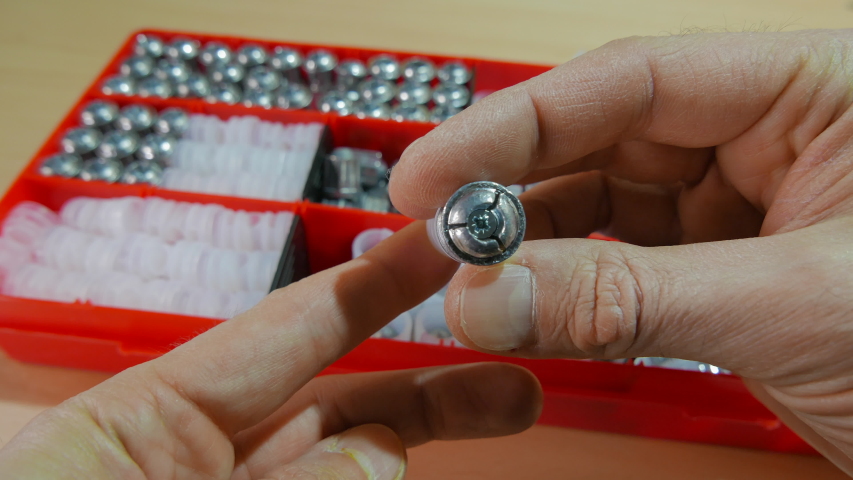
Factory ammo does not “go bad” in a predictable, time-based manner, but its shelf life depends on storage conditions, not calendar age. Ammunition loaded decades ago can fire perfectly if kept cool, dry, and in sealed packaging; the primary degradation vector is moisture ingress, which causes primer corrosion and powder breakdown. A dud from a new-production box is rarely age-related—it is typically a manufacturing defect, such as a 9mm Ammo for Sale seated primer or insufficient powder charge. To verify viability, inspect case necks for verdigris or surface rust, and check primers for cratering. If a round fails to ignite, do not immediately discard it; wait 30 seconds, then attempt a second strike. For long-term storage, follow this sequence: store in low-humidity environments, use airtight ammo cans with desiccant packs, and rotate stock every 5–10 years by shooting old lots first. Functional duds remain statistically rare, but recognizing the difference between age-induced deterioration and a defective primer saves both money and range time.
Is It Worth Paying More for Premium Lines Over Budget Fresh Rounds?
For most shooters, the gap between budget fresh rounds and premium lines narrows drastically once you factor in real-world accuracy and consistency. Premium ammunition often delivers tighter tolerances in bullet weight, powder charge, and case tension, which translates to smaller groups at distance—critical for competition or precision work. However, for plinking or casual practice inside 25 yards, budget factory-new ammo performs admirably and saves significant cash per case. **The true value of premium lines emerges in match-grade consistency**, not raw velocity or perceived quality. If your firearm is a combat-style pistol or a general-purpose carbine, the extra spend rarely improves your practical results.
- Test both types from a rested position to measure actual group-size differences in your specific firearm.
- Reserve premium rounds for zeroing optics or shooting beyond 50 yards where accuracy matters most.
- Budget fresh rounds are ideal for high-volume drills where malfunctions are more likely caused by shooter error than ammunition defects.
Can You Trust Bulk Packaged New Ammo as Much as Boxed Options?
Bulk packaged new ammo comes straight from the same factory lines as boxed counterparts, so reliability differences are largely nonexistent for most mainstream calibers. The primary variance is handling: loose rounds in 50-round or 100-round bags endure more jarring during transit, which can occasionally shift powder or distort soft-point tips, but jacketed and FMJ loads remain ballistically identical. You lose individual headstamp inspection and lot-specific packaging, yet the propellant charge and primer seating are set by the same automated machinery. For range practice or defensive training, bulk ammo functions reliably; only precision shooters who sort by lot or weigh charges would notice any marginal variance. The real trade-off is storage—loose rounds suffer more from humidity and abrasion than sealed boxes, .50 Cal Ammo for Sale so keep them in dry, padded containers.
Bulk new ammo matches boxed ammo in functional trust for standard loads, with the only caveats being handling wear and less protective storage over time.