
A slot machine looks simple: push a button, watch the reels, and expect a match. Beneath that simplicity lies a detailed mechanical and mathematical system that determines every spin, payout, and bonus. For first-timers, learning this system transforms casual guesswork into informed play. On a platform like European Roulette Live player login Game, slot play can sit alongside live roulette, table games, and promotions, but the first step is knowing how a slot truly works.
The Fundamental Mechanics Driving All Slot Machines
All online slot games function by means of a random number generator, or RNG. This software generates thousands of number sequences per second, even when no one is playing. When a player activates spin, the RNG picks a value that translates to specific reel positions. Each spin is independent; previous results do not influence the next outcome. This design provides fairness and makes every spin a separate random event.
Reel strips are more complex than a simple list of symbols. Each strip includes repeated symbols with different frequencies. Lower-paying symbols such as card ranks appear often, while high-paying themed symbols appear rarely. This weighting influences both hit frequency and the size of common wins. A slot may show five reels, but underneath, dozens or hundreds of virtual stops can exist. The visible grid is only part of the game.
The independence of spins has practical consequences. A machine that has not paid for an hour is not due for a win, because the RNG has no memory. Betting systems that increase stakes after losses do not alter the underlying probability. Each spin draws from the same weighted reel strips. Players who understand this avoid chasing losses and instead set a fixed session budget before the first spin.
The ways Online Slots Stack Up with Live Dealer Games
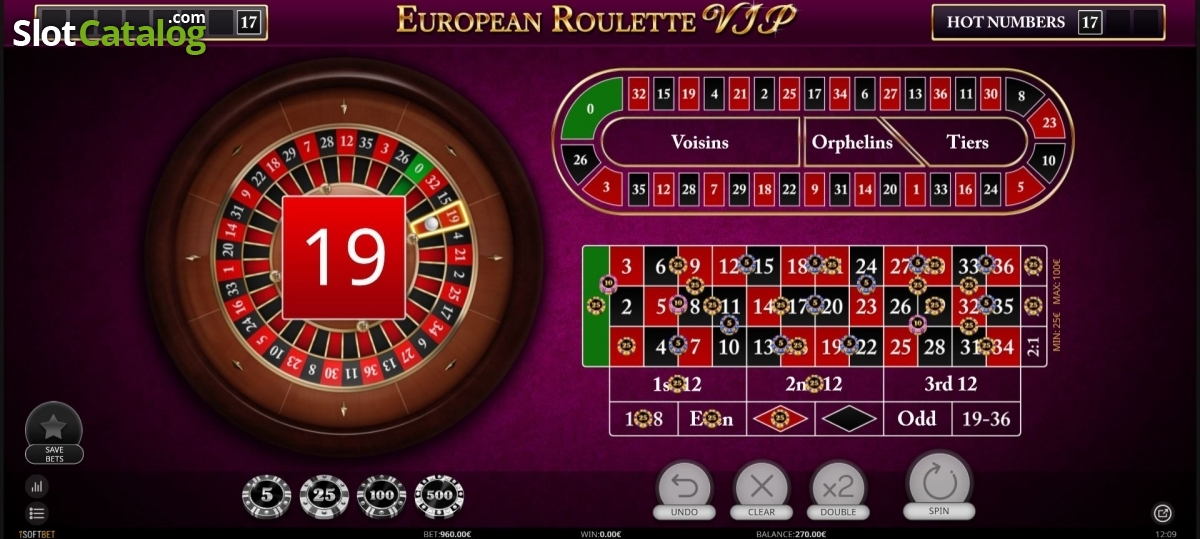
Online slots and live dealer games represent opposite ends of the casino experience. Slots are RNG-driven, single-player games with themes, bonus rounds, and variable volatility. Live dealer games, such as European roulette, use physical wheels and real dealers streamed in real time. European Roulette Live Game offers both categories, and understanding the contrast helps players decide where to put their bankroll.
Random Number Generators vs. Live Dealer Results
Slot outcomes are determined by certified random number generators; live roulette outcomes result from the physical motion of a wheel and ball. Neither format allows a player to predict the next result with certainty. Live dealer games offer transparent equipment and fixed probabilities. Slots offer creative mechanics and a wider range of bet sizes. Both can be fair when the operator is licensed and audited.
Deciding Between Slots and Live Roulette
Slot play suits players who want fast, autonomous sessions and a chance at large multipliers. Live roulette suits players who prefer a slower pace, social interaction, and clear even-money odds. The platform’s web-based interface works across mobile and desktop browsers, so switching between a slot and a live European roulette table requires no separate software. Many beginners employ low-volatility slots for entertainment and live roulette for steadier, probability-based bets.
Extra Features That Change the Gameplay
Modern slots use bonus features to add variety beyond base-game spins. Free spins are the most frequent; they let players spin without taking from their balance. Bonus rounds may appear as pick-and-click screens, wheel spins, or progressive stages. These features do not affect the underlying RNG, but they change how payouts are distributed. A game’s bonus structure often defines its volatility and maximum win potential.
Bonus Spins and Bonus Rounds
Free spins usually activate when three or more scatter symbols appear. The number given varies, but eight to fifteen is typical for three scatters. During free spins, games often incorporate multipliers, expanding wilds, or the ability to re-spin additional spins. Bonus rounds can be more engaging, asking players to select objects or unlock levels. These features are part of the slot’s entertainment value and can create payout spikes that the base game rarely matches.
Falling Reels and Multipliers
Cascading reels remove winning symbols and place new ones into empty positions. Each successive cascade can boost a win multiplier, building chains from a single spin. Multipliers may also be used on free spin wins or wild combinations. This mechanic can turn a modest hit into a large payout, but it also increases volatility. Players should check how multipliers reset; some reset after each non-winning cascade, while others accumulate until the bonus ends.
Bonuses and Wagering Requirements: What Beginners Must Check
Introductory offers at online casinos commonly include deposit matches, free spins, or both. A deposit match adds bonus funds based on a percentage of the first deposit; free spins are credited to selected slot titles. No-deposit bonuses are lower and less common. Every promotion carries terms that affect withdrawal. Players should treat bonus funds as restricted money until conditions are met.
Sign-up Offers and Free Spins
Deposit match bonuses cannot be withdrawn immediately. The bonus amount relates to eligibility rules and wagering requirements. Free spins apply only to specific games, and winnings from them usually convert into bonus funds. Maximum bonus caps, minimum deposit thresholds, and eligible slots should be checked on the official promotion page. European Roulette Live Game may display current offers on its homepage, but details can change.
Staking and Game Contribution
A wagering requirement indicates how many times the bonus must be staked before withdrawal. A 30x requirement on a €100 bonus means €3,000 in eligible bets. Slot play often contributes 100% toward these requirements, but live roulette and table games may contribute only 5% to 20%, or may be excluded entirely. A player who claims a bonus but mainly plays live roulette may struggle to complete the requirement before it expires.
Icons, Paytables, and Payout Logic
Any slot has a paytable, typically reachable through an information button. It shows symbol values, bonus rules, and winning combinations. Top symbols usually follow the game’s theme; low-value symbols are commonly playing card ranks. Payouts are shown as multiples of the line bet or total stake. A player who skips the paytable loses essential information about how wins are calculated.
Wild symbols stand in for other paying symbols to form winning lines. Some wilds expand to cover an entire reel, while others stick in place for respins. Scatter symbols are different: they do not need to land on a payline. A minimum number of scatters across the grid often triggers free spins or a bonus round. Grasping these two symbol types explains most modern slot behaviour.
Wild Symbols and Scatter Symbols
Wilds change widely by game. Standard wilds simply replace missing symbols. Expanding wilds occupy a whole reel, raising potential matches. Sticky wilds are locked for several spins, and multiplier wilds enhance any line they finish. Scatters usually activate features when three or more appear. Because scatters are not bound to paylines, they create chances even when regular payline hits are unavailable. Consulting the paytable reveals exactly what each wild and scatter does before money is risked.
Variance, RTP, and Payout Frequency
Return to player, or RTP, is a calculated percentage of total wagers a slot pays back over millions of spins. Most online slots fall between 92% and 97%. A 96% RTP signifies the game returns 96 units for every 100 wagered on average. This is not a short-term guarantee; individual sessions can swing far above or below that figure. RTP helps compare long-term potential between games.
Player payout
RTP is shown in many game information screens or developer documentation. Trustworthy platforms and game studios release this figure. Players should select slots with RTP above 95% when possible. However, RTP does not determine session results. A high-RTP slot can still result in long losing streaks. The theoretical return only emerges over enormous sample sizes, so it should guide game selection, not assumptions for a single deposit.
Risk and Payout Frequency
Volatility describes risk: low-volatility slots award smaller amounts frequently; high-volatility slots pay larger amounts less often. Hit frequency is the percentage of spins producing at least one win. Low-volatility games may reach 30% to 40% of spins, while high-volatility games can fall below 15%. Beginners with limited bankrolls usually endure longer on low-volatility titles. Chasing large jackpots often means accepting longer dry spells.
Reels and Positions: Understanding a Slot Grid
A slot grid consists of vertical reels and side-to-side rows. Classic machines employ three reels and one row, but contemporary video slots commonly present five reels and three rows. Some games incorporate a fourth row or employ irregular layouts. Reels rotate vertically and halt to show symbols. The player sees one symbol per row on each reel, but the complete reel strip extends beyond the visible window.
Paylines are the arrangements where corresponding symbols must stop to produce a win. Older slots had one level line; modern games often provide 10, 20, 25, 40, or 50 fixed paylines. A symbol on the same row but not on an active payline yields nothing. Fixed paylines cannot be turned off; the overall bet is spread across all active lines. Checking the line diagram prevents uncertainty about why a visible match did not win.
Predetermined Paylines vs. Pay Methods
Ways-to-win systems discard predetermined line patterns. Instead, matching symbols on adjacent reels from left to right are considered a win regardless of their row position. A five-reel, three-row game with ways to win usually offers 243 outcomes. Some layouts increase this to 1,024 ways or more. The key difference is wagering structure: fixed-line bets multiply by line count, while ways-to-win bets encompass all combinations by default. This alters both stake calculation and win frequency.
Payment Methods and Cashout Speeds
Payments at online casinos are usually processed immediately or within a few minutes. Common methods include debit and credit cards, e-wallets, prepaid vouchers, and bank transfers. Some platforms support additional local or cryptocurrency options. Mobile players use the same cashier through the browser or app. The exact list and any minimum deposit should be confirmed in the cashier section of European Roulette Live Game.
Deposit Speeds and Minimums
Minimum deposits commonly range between €10 and €20. Card and e-wallet deposits are generally instant, while bank transfers can take longer and may be less convenient for casual play. Most casinos do not charge deposit fees, but some payment providers impose their own fees. A first deposit that fails to meet the bonus minimum may not trigger the welcome offer, so players should verify the threshold before funding.
Payout Processing and Identity Checks
Withdrawal speed depends on the method and internal review. E-wallet withdrawals often arrive within 0 to 24 hours after approval; card withdrawals may take 1 to 5 business days; bank transfers may take 3 to 7 business days. Internal processing typically takes 24 to 48 hours while the operator verifies the request. These are typical industry ranges rather than guaranteed figures, so players should check the banking page for current terms.
Safety, Regulation, and Responsible Play
A credible online casino presents its licensing jurisdiction in the website footer. Authorities such as the Malta Gaming Authority, UK Gambling Commission, Curacao eGaming, and Gibraltar thestar.com set criteria for fairness, player fund protection, and dispute resolution. Players should verify the licence number through the regulator’s public register. A absent or unverifiable licence is a ground to avoid depositing.
Authorization and Game Fairness
Slot fairness depends on independently certified RNGs. Testing laboratories such as eCOGRA, iTech Labs, and GLI examine games and validate that payouts match the stated RTP. Live dealer tables use physical equipment and monitoring to maintain integrity. European Roulette Live Game should provide evidence of auditing and encryption. TLS encryption safeguards personal and financial data during registration, deposits, and withdrawals.
Controlled Gambling Tools
Responsible gambling controls include deposit limits, session reminders, loss limits, and self-exclusion. A well-designed platform positions these tools in the player account area. Self-exclusion blocks access for a chosen period, which can range from days to permanent closure. Setting a deposit limit before the first spin is a sensible habit. Responsible tools are not punishments; they are methods that keep gambling within affordable boundaries.
A slot machine’s simplicity conceals a structured system of RNG outcomes, weighted reels, paytables, volatility, and bonus mechanics. Beginners who comprehend these elements can choose games deliberately. On European Roulette Live Game, the next step is concrete: pick one low-volatility slot, read its paytable, set a daily deposit limit, and play at minimum stake for a set number of spins. That kind of controlled approach turns casual gambling into informed entertainment.